
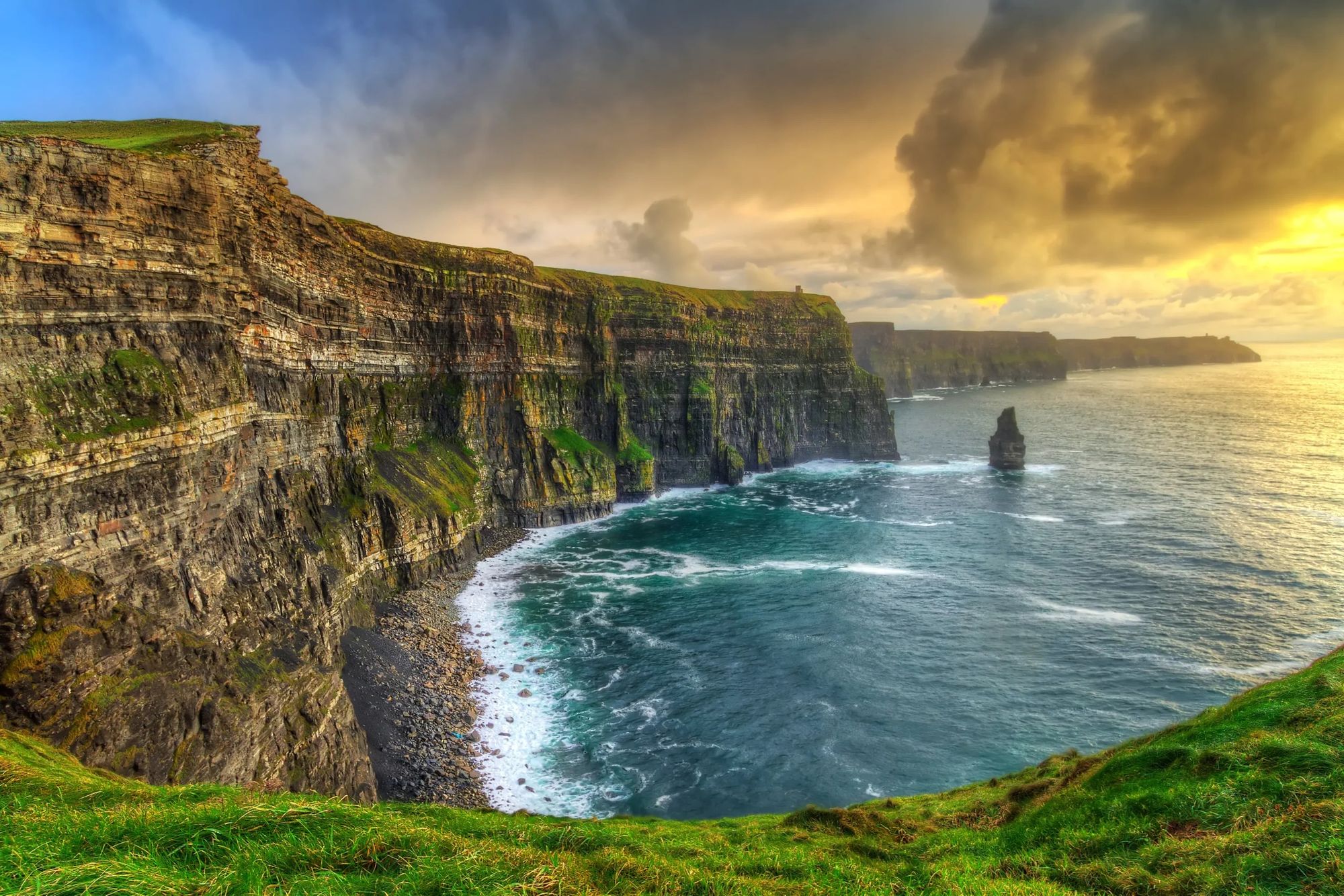
Scotland continues to attract travellers looking for dramatic landscapes, historic towns, coastal scenery, and slower travel experiences. From the Highlands and island routes to historic cities and countryside villages, tours of Scotland offer a travel style that feels different from fast-paced city holidays.
For visitors from the USA, Ireland, and Canada, Scotland provides a balance of natural scenery, history, and cultural experiences that are easy to enjoy over several days. Many travellers now prefer relaxed itineraries that allow time to appreciate the scenery properly instead of rushing through crowded tourist schedules.
Why Tours of Scotland Continue to Grow
Modern travellers increasingly look for experiences focused on comfort, scenery, and meaningful travel rather than busy sightseeing lists.
This is one reason tours of Scotland remain popular among international visitors.
Scotland offers:
- Mountain landscapes
- Coastal driving routes
- Historic castles
- Traditional villages
- Scenic train journeys
- Quiet countryside regions
The country’s changing landscapes create a travel experience that feels varied from one region to another.
Scotland Is Best Explored Slowly
One of the biggest surprises for first-time visitors is how different each part of Scotland feels. Travel becomes far more enjoyable when itineraries allow time for scenic stops and local experiences.
Rushing through Scotland often means missing:
- Countryside viewpoints
- Coastal villages
- Local cafés
- Historic ruins
- Scenic walking routes
Many travellers now choose smaller or more flexible tours of Scotland because they prefer slower travel with fewer daily transfers.
“Take your time to enjoy the landscape rather than simply moving between attractions.”
This approach suits Scotland naturally because much of the country’s charm comes from the road journeys themselves.
Edinburgh Remains a Favourite Starting Point
Edinburgh continues to be one of Europe’s most popular historic cities. Visitors are drawn to:
- Edinburgh Castle
- Royal Mile streets
- Georgian architecture
- Historic alleyways
- Traditional Scottish pubs
The city combines history with a relaxed atmosphere that works well for short stays before travelling into the countryside.
However, many travellers quickly realise that Scotland’s rural regions become the highlight of the journey.
The Scottish Highlands Offer Dramatic Scenery
The Highlands remain one of the main reasons travellers search for tours of Scotland. Mountain landscapes, winding roads, and remote scenery create a travel experience that feels peaceful and visually striking.
Popular Highland regions include:
- Glencoe
- Loch Ness
- Cairngorms National Park
- Isle of Skye
- Fort William
The changing weather and open landscapes add atmosphere to every journey.
Photography enthusiasts especially appreciate:
- Misty mountain scenery
- Coastal light changes
- Historic castles
- Quiet countryside roads
Coastal Routes Create Memorable Road Trips
Scotland’s coastline often leaves the strongest impression on visitors. Coastal roads combine sea views, cliff scenery, fishing villages, and open countryside across long stretches of peaceful travel routes.
Travellers frequently choose road-based tours of Scotland because they allow more freedom for:
- Scenic photography stops
- Village cafés
- Local seafood restaurants
- Coastal viewpoints
- Historic harbour towns
The North Coast routes and western coastal roads remain especially popular among travellers seeking quieter travel experiences.
Scottish Castles Continue to Attract International Visitors
Scotland’s castles are among the country’s most recognisable landmarks. However, many visitors discover that smaller countryside castles often feel more memorable than the busiest tourist sites.
Historic castles offer insight into:
- Scottish clan history
- Regional culture
- Medieval architecture
- Historic battles
- Rural Scottish life
Popular castle regions include:
- Stirling
- Inverness
- Aberdeenshire
- Highlands countryside
Many castles are surrounded by peaceful landscapes that create excellent opportunities for photography and slower sightseeing.
Local Culture Shapes the Travel Experience
One reason travellers return to Scotland is the atmosphere created by local communities, music, and traditions.
Visitors often enjoy:
- Traditional music sessions
- Local storytelling
- Whisky regions
- Village pubs
- Regional food experiences
Smaller towns frequently provide the most authentic cultural experiences because they move at a slower pace than larger cities.
This is especially attractive for travellers from Canada and the USA who often prefer cultural experiences alongside scenic travel.
Scotland’s Weather Adds Character
Like Ireland, Scotland’s weather changes regularly throughout the day. While some visitors initially worry about this, many later realise it becomes part of the experience.
Changing weather creates:
- Dramatic mountain scenery
- Atmospheric photography conditions
- Clear coastal light
- Fresh countryside landscapes
Autumn and spring remain particularly attractive seasons for scenic travel because roads are quieter while landscapes remain colourful and comfortable for sightseeing.
Ireland and Scotland Continue to Be Paired Together
Interest in ireland and scotland tour experiences has grown steadily over recent years. Many international travellers combine both countries into one extended holiday because they complement each other naturally.
Ireland offers:
- Green countryside
- Coastal villages
- Relaxed road journeys
Scotland adds:
- Mountain scenery
- Highland landscapes
- Historic castles
Together, they provide a balanced mix of countryside travel, culture, and scenic exploration.
Guided Travel Makes Rural Exploration Easier
Driving across rural Scotland can be challenging for overseas visitors unfamiliar with:
- Narrow roads
- Weather conditions
- Long countryside routes
- Left-side driving
Guided travel removes much of this stress while allowing travellers to focus on scenery and local experiences instead.
Smaller group travel and flexible touring schedules also allow more time for:
- Scenic detours
- Photography stops
- Village visits
- Countryside walks
- Local recommendations
Many travellers searching for tours of Scotland now prefer travel experiences that feel more personal and less structured.
Food Tourism Is Growing Across Scotland
Food has become a larger part of Scottish tourism in recent years. Travellers increasingly include local food experiences within their itineraries.
Popular options include:
- Fresh seafood
- Traditional Scottish dishes
- Highland cafés
- Whisky tastings
- Local bakeries
Coastal towns and rural villages often provide some of the most memorable dining experiences.
Choosing the Right Scotland Travel Style
Not every traveller wants the same type of holiday. Before selecting tours of Scotland, it helps to consider:
- Preferred travel pace
- Interest in countryside scenery
- Group size preferences
- Road travel comfort
- Photography interests
- Cultural experiences
Some visitors prefer independent road trips, while others enjoy guided travel with local expertise and organised routes.
Final Thoughts
Interest in tours of Scotland continues to rise because travellers increasingly value scenic travel, slower holidays, and meaningful cultural experiences.
Scotland offers a combination of mountain landscapes, coastal scenery, historic towns, and countryside routes that feel naturally suited to relaxed exploration. Whether travelling through the Highlands, coastal villages, or historic cities, visitors often discover that the quieter moments become the most memorable part of the journey.
For many travellers from Ireland, Canada, and the USA, Scotland provides a travel experience built around scenery, comfort, and time spent enjoying the road itself rather than simply reaching the next attraction.